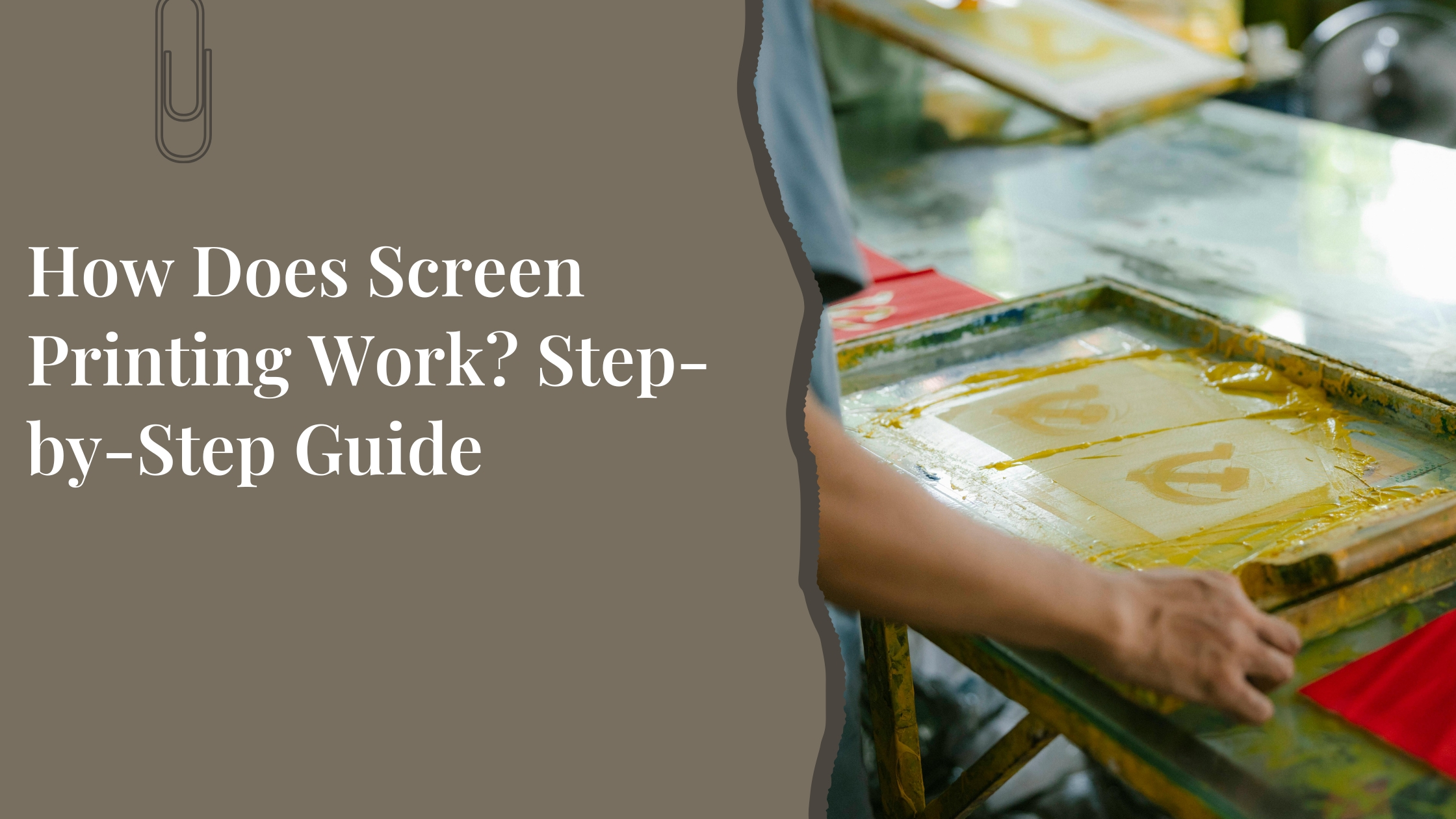
If you’ve ever wondered how does screen printing work, you’re not alone. Screen printing is one of the most popular printing methods used in the apparel industry to create durable, vibrant, and high-quality designs on t-shirts, hoodies, and other garments.
At its core, screen printing is a process that transfers ink through a mesh screen onto fabric, producing long-lasting prints that can withstand repeated washing and everyday wear. Because of its consistency, scalability, and cost-effectiveness, it remains a preferred choice for clothing brands, private label businesses, and custom apparel manufacturers worldwide.
Whether you’re starting a clothing brand, ordering custom apparel, or simply curious about the screen printing process, understanding how it works can help you choose the right printing method for your products and production goals. Understanding the printing process is also helpful when learning how t-shirts are manufactured, as printing is one of the key stages in apparel production.
What Is Screen Printing?
Screen printing is a printing process that uses a mesh screen, stencil, and ink to transfer designs onto fabric. It is commonly used for t-shirts, hoodies, uniforms, and other apparel because it produces durable, vibrant, and long-lasting prints that hold up well over time.
Unlike some printing methods that apply designs directly onto fabric, screen printing pushes ink through a prepared screen to create bold and consistent results. Each color in a design is typically printed separately, allowing for excellent color accuracy and strong visual impact.
Because of its durability, print quality, and cost-effectiveness for larger quantities, screen printing is widely used in custom apparel manufacturing. Clothing brands, private label businesses, and promotional apparel companies often choose this method when they need consistent quality across bulk orders.
Understanding what screen printing is provides the foundation for learning how the screen printing process works from artwork preparation to the final printed garment.
How Does Screen Printing Work? Step-by-Step Process
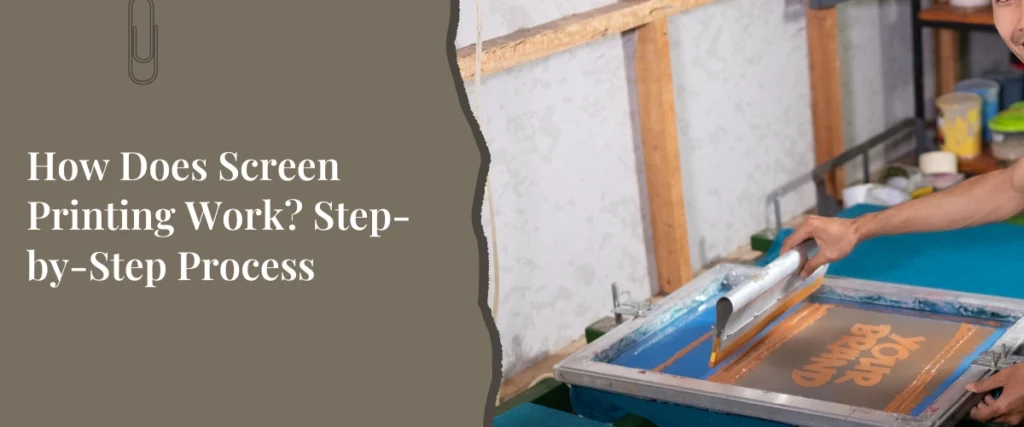
To understand how screen printing works, it helps to break the process down into a series of steps commonly used by professional apparel manufacturers. Each stage plays an important role in ensuring accurate, durable, and high-quality prints.
Step 1: Creating the Artwork Design
Every screen-printed garment starts with a digital design. The artwork is prepared and separated into individual colors, a process known as color separation. For multi-color designs, a separate screen is typically created for each color to ensure accurate placement and consistent results.
Step 2: Preparing the Screen
A mesh screen is coated with a light-sensitive emulsion and allowed to dry. This emulsion creates the foundation for the stencil, which controls where the ink will pass through during printing.
Step 3: Exposing the Design
The prepared screen is exposed to UV light with the design placed on top. The exposed emulsion hardens, while the covered areas remain soft and are washed away. This creates a stencil that matches the artwork.
Step 4: Printing the Ink onto Fabric
The screen is positioned over the garment, and ink is applied to the top of the screen. A squeegee is then used to push the ink through the open stencil areas and onto the fabric. This is the core stage of the screen printing process where the design is transferred onto the t-shirt.
Step 5: Curing and Finishing
After printing, the garment passes through a curing process that uses controlled heat to bond the ink permanently to the fabric. Proper curing is essential because it improves print durability and helps prevent cracking, peeling, or fading after washing.
Once curing is complete, each garment is inspected for print quality, color accuracy, and consistency before packaging and shipment.
How Do I Screen Print T Shirts?
If you’re wondering how to screen print t-shirts, the basic process follows the same principles used in professional screen printing but on a much smaller scale.
To get started, you’ll typically need:
- A screen frame
- Screen printing ink
- A squeegee
- Emulsion
- A light source for exposure
- A flat surface or basic printing press
The process involves creating a stencil on the screen, placing the screen over the t-shirt, and pushing ink through the open areas using a squeegee. Once the design is printed, the ink must be cured with heat to help it adhere properly to the fabric.
While DIY screen printing can be a good option for personal projects or small batches, it can be difficult to maintain consistent print quality, color accuracy, and durability without professional equipment. For this reason, most clothing brands and businesses choose professional screen printing services when producing apparel at scale.
Equipment and Materials Used in Screen Printing

Professional screen printing equipment plays a major role in achieving consistent, high-quality results. While the screen printing process may seem simple, each tool is designed to improve accuracy, efficiency, and print durability.
Screens and Mesh Frames
Screens and mesh frames are used to create the stencil that transfers the design onto the fabric. The mesh allows ink to pass through specific areas while blocking others, ensuring the artwork is printed accurately. For multi-color designs, a separate screen is usually required for each color.
Screen Printing Inks
The type of ink used affects the appearance, feel, and durability of the final print. The two most common options are:
- Plastisol Ink: Known for its vibrant colors, durability, and excellent opacity.
- Water-Based Ink: Provides a softer feel on the fabric and is often preferred for eco-conscious apparel brands.
Squeegees and Printing Presses
A squeegee is used to push ink through the mesh screen and onto the garment. Professional printing presses help maintain consistent pressure and alignment, which is especially important for large production runs.
Curing and Drying Equipment
After printing, garments are passed through heat presses or conveyor dryers to cure the ink. Proper curing ensures the design bonds permanently with the fabric, helping prevent cracking, peeling, and premature fading.
Advantages of Screen Printing for Apparel Brands
Screen printing remains one of the most popular methods in custom clothing manufacturing because it delivers reliable results for both small brands and large-scale apparel production. Its combination of durability, visual impact, and cost efficiency makes it a preferred choice for many apparel businesses.
Some of the key advantages of screen printing include:
- Extremely Durable Prints: Properly cured screen-printed designs can withstand repeated washing and everyday wear without cracking or fading easily.
- Vibrant and Bold Colors: Screen printing applies a thicker layer of ink, producing bright and eye-catching designs that stand out on garments.
- Cost-Effective for Bulk Orders: Once the screens are prepared, the printing process becomes highly efficient, making bulk screen printing more affordable as order quantities increase.
- Ideal for Private Label Clothing Brands: Screen printing provides consistent quality across large production runs, helping brands maintain a professional appearance.
- Compatible with Various Fabrics: This versatility makes screen printing suitable for products produced by a knitwear manufacturer, including t-shirts, sweatshirts, and other apparel.
These advantages make screen printing a preferred solution for clothing manufacturers, apparel factories, and brands looking for durable, high-quality printed apparel.
Screen Printing vs DTG Printing

When choosing a printing method for custom apparel, many brands compare screen printing with DTG (Direct-to-Garment) printing. Both methods can produce high-quality results, but they are suited for different production needs.
Print Quality Differences
Screen printing typically produces more vibrant and durable prints because it applies a thicker layer of ink to the fabric. DTG printing, on the other hand, excels at reproducing detailed artwork and complex color gradients.
Cost Comparison
Screen printing is generally more cost-effective for bulk orders because the setup costs are spread across a larger number of garments. DTG requires minimal setup, making it a practical choice for small batches or one-off custom designs.
Best Use Cases
- Screen Printing: Bulk apparel production, uniforms, promotional merchandise, and private label clothing brands.
- DTG Printing: Small custom orders, highly detailed artwork, and print-on-demand products.
For growing clothing brands that need consistent quality and scalable production, screen printing is often the preferred choice due to its durability and lower cost per unit on larger orders.
How Manufacturers Use Screen Printing for Bulk Production
As part of the broader process of how clothes are manufactured, screen printing helps ensure consistent branding and product quality. Unlike small-scale printing, bulk screen printing relies on standardized processes, industrial equipment, and quality control systems to ensure every garment meets the same specifications.
Color Separation in Large Orders
For multi-color designs, each color is separated and assigned to its own screen. This allows manufacturers to reproduce designs accurately across hundreds or thousands of garments without losing detail or color consistency.
Maintaining Consistent Print Quality
Industrial screen printing machines help maintain precise alignment, ink coverage, and print placement throughout the production run. This ensures every t-shirt looks consistent, regardless of order size.
Quality Control in Apparel Manufacturing
Professional manufacturers inspect garments at multiple stages of production. Prints are checked for alignment, color accuracy, ink coverage, and durability to reduce defects and maintain quality standards.
Why Brands Choose Bulk Screen Printing
Bulk screen printing offers consistency, scalability, and a lower cost per unit compared to many other printing methods. It is particularly well suited for clothing brands, promotional apparel companies, and private label businesses that require reliable results across large orders.
This is why many brands partner with experienced clothing manufacturers such as Atha Textile for bulk apparel production and custom apparel manufacturing.
How to Choose a Screen Printing Partner
Choosing the right custom apparel manufacturer is one of the most important decisions for your clothing brand, as it directly affects product quality, consistency, and overall customer satisfaction. A reliable screen printing partner ensures your designs are produced accurately and delivered on time.
Production Capability
Before selecting a manufacturer, ensure they can handle your required order volume. A capable production setup is essential for scaling your brand and maintaining consistent quality across bulk screen printing orders. Before selecting a partner, it helps to understand how to find a clothing manufacturer that aligns with your production goals and quality expectations.
MOQ (Minimum Order Quantity)
Different manufacturers have different MOQ requirements. It is important to choose a partner that supports your current stage especially if you are a startup looking for smaller, flexible production runs while still maintaining professional quality standards.
Sample Development Process
Always request samples before starting full production. Samples help you evaluate print quality, color accuracy, fabric compatibility, and overall finishing. This step reduces production risks and ensures your final order meets expectations.Working with an experienced custom t-shirt manufacturer can simplify product development and improve production consistency.
Communication & Lead Time
Clear and consistent communication is essential in apparel manufacturing. A reliable partner should provide transparent updates, realistic production timelines, and quick responses to inquiries. Proper lead time management ensures your orders are delivered without delays and helps maintain a smooth production workflow.
Conclusion
Now you understand how screen printing works, from artwork creation and screen preparation to ink application and final curing. This process remains one of the most reliable and widely used methods in the apparel industry because of its durability, vibrant color output, and cost efficiency for bulk production.
The screen printing process is not just a printing technique it is a core part of scalable custom apparel manufacturing. For clothing brands, startups, and private label businesses, it provides the consistency and quality needed to build a strong and professional product line.
If you are planning to produce custom apparel or scale your clothing brand, choosing an experienced clothing manufacturer is essential. A reliable partner ensures accurate print quality, consistent production results, and smooth handling of bulk screen printing orders.
With the right manufacturing support, screen printed apparel becomes a powerful foundation for long-term brand growth and customer satisfaction.
Frequently Asked Questions
How does screen printing work on t-shirts?
Screen printing works by pushing ink through a mesh stencil onto fabric, one color at a time. Each layer is applied separately and then heat cured for durability.
How long does screen printing last?
High-quality screen printing can last for years without fading or cracking when properly cured, making it ideal for long-lasting custom apparel and bulk production.
Is screen printing better than DTG?
Screen printing is better for bulk orders due to lower cost per unit and durability, while DTG is better for small runs and highly detailed, full-color designs.
Can screen printing be used for bulk orders?
Yes, screen printing is one of the most cost-effective methods for bulk apparel production, offering consistent quality and lower pricing as order quantity increases.
What fabric works best for screen printing?
Cotton and cotton-blend fabrics work best because they absorb ink well, producing vibrant, durable prints with strong color retention and long-lasting quality.
Why is screen printing popular in apparel manufacturing?
It is popular because it delivers durable, vibrant prints at scale. Brands prefer it for consistency, affordability in bulk, and strong visual impact on garments.
Do I need professional equipment for screen printing?
For high-quality and consistent results, professional equipment is recommended. DIY setups work for small projects but lack precision for bulk or brand production.